Home Buying Guide
Vastu Compliant Homes, Why It Matters in Varanasi and Chandauli
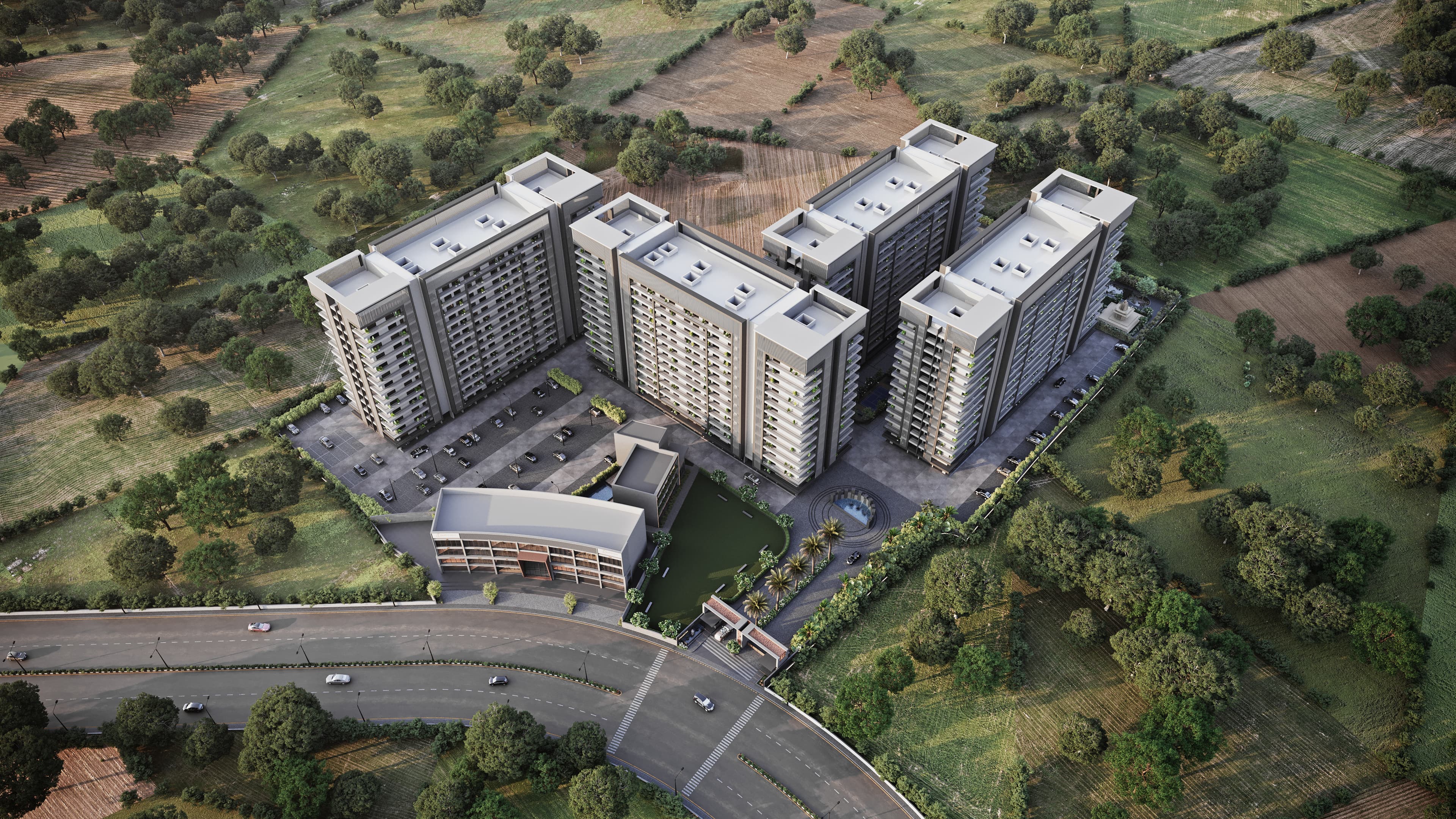
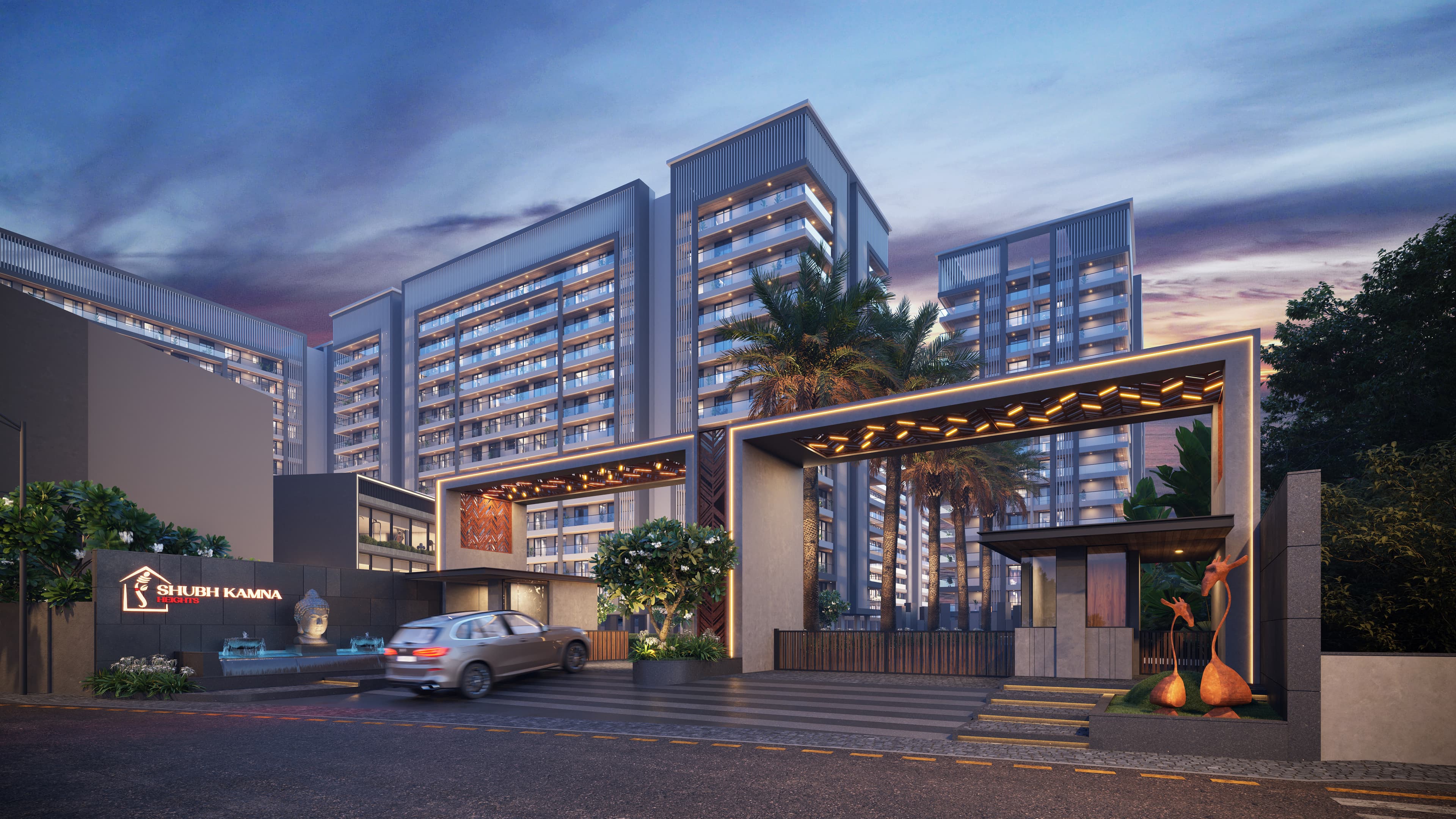
If you have been looking for property in the Varanasi region, you have noticed that every serious developer mentions Vastu compliance. At Shubh Kamna Heights, it is listed as a core feature of the project. But what does Vastu compliance actually mean in the context of a modern apartment? And why does it matter so much in this particular region of India?
Varanasi's Unique Relationship with Vastu
Varanasi is not simply a religious city. It is one of the oldest living centres of Vedic knowledge in the world. The scholarly and spiritual traditions of Kashi have, over millennia, kept Vastu Shastra, the ancient Indian science of spatial arrangement, alive and actively practised. In most Indian cities, Vastu is a preference. In Varanasi and the surrounding region, it is close to a requirement.
This is not mere sentiment. Resale value is directly affected. A flat that does not conform to basic Vastu principles will struggle to find buyers in this market, regardless of its other qualities. Builders who ignore this are making a commercial error.
What Vastu Compliance Actually Means in an Apartment
When a developer says their project is "Vastu compliant," they should be able to tell you specifically what that means. Here is what it covers in a well planned residential project like Shubh Kamna Heights:
- Orientation: The main entrance of the building and individual units should ideally face east or north, directions associated in Vastu with prosperity and positive energy. South-facing entrances are considered unfavourable and are avoided.
- Room Placement: The master bedroom sits in the south-west of the unit (associated with stability and rest). The kitchen belongs in the south-east (the fire element's direction). Pooja rooms are placed in the north-east, which Vastu designates as the spiritual corner. Bathrooms and toilets are situated in the south or west.
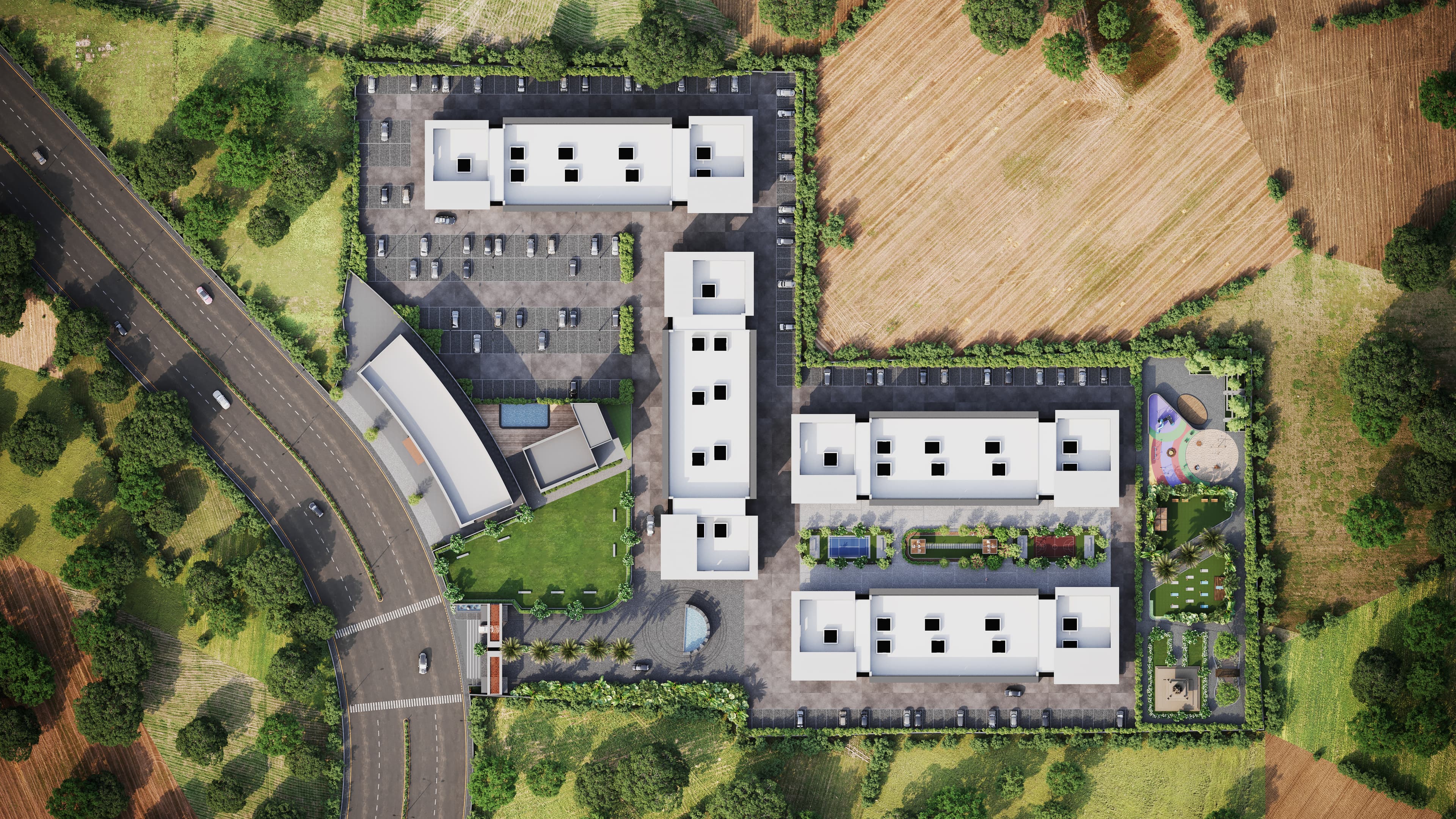
- Open Space and Light: Vastu strongly emphasises that the north and east sides of a structure should have maximum openings, windows, balconies, light wells. This allows morning sunlight from the east to enter living spaces, which aligns with both Vastu principles and modern environmental architecture. Projects like Shubh Kamna Heights, with 65%+ open space, satisfy this naturally.
- Water Infrastructure: Underground water storage is placed in the north-east or north. Overhead tanks are placed in the south-west. These placements, which sound like tradition, align perfectly with practical engineering concerns about water pressure and structural load distribution.
The IIT BHU Connection
There is a meaningful structural assurance worth noting. Shubh Kamna Heights has its structural design vetted by IIT BHU (Banaras Hindu University's Indian Institute of Technology). IIT BHU sits on the banks of the Ganga in Varanasi and has, over its history, been one of the premier institutions where traditional Indian knowledge systems are studied alongside cutting-edge modern engineering.
While the structural vetting is strictly about seismic zone earthquake resistance and advanced RCC frame integrity, the institution doing the vetting has a deep connection to the regional values that the project serves.
Should you buy a non Vastu apartment? If you are buying for your own family to live in, in Varanasi, in Chandauli, anywhere in this belt, Vastu alignment is worth taking seriously. It affects your family's comfort in the home, and it strongly dictates your ability to sell or rent the property in the future. It is not a niche preference; it is the standard expectation.
More from the blog